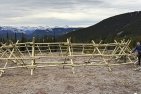
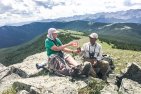
Mesa Butte, North Fork.
This information is for people with little winter recreation experience who are planning to winter walk or snowshoe in Kananaskis Country and are concerned about avalanche danger.
All DESIGNATED SNOWSHOE trails in K Country are safe PROVIDING you stay on the trail and don’t venture beyond the end of the trail. For instance the designated trails to lakes such as Rawson Lake and Chester Lake are are safe. Beyond the end of these trails you are in avalanche terrain.
With the exception of Cox Hill, all of the DESIGNATED trails in West Bragg, North Fork, Sibbald, and trails in the Elbow that are accessible AFTER the highway closes Dec 1st are safe for snowshoeing and winter walking PROVIDING you stay on the trail.
The High Rockies Trail is safe to snowshoe or walk. One section is closed in winter due to avalanche danger.
HOWEVER there are trails in the Kananaskis Valley and at higher elevations in Peter Lougheed Provincial Park and the Spray Valley that offer good snowshoeing but travel through or lead to Avalanche Terrain that require a level of avalanche training and good route finding skills that can best be acquired through a Avalanche Canada Avalanche Skills Training (AST) course. For instance, Burstall Pass is spectacular in winter and a worthy objective, but the area above treeline has a number of avalanche-prone slopes.
Trails up valleys such as Galatea Creek are threatened by avalanches, others by cornice falls from above and avalanche training is needed to safely snowshoe such routes. Keep out of such areas when Avalanche Danger is Considerable or higher. Current Avalanche Danger is shown top right on kananaskistrails.com home page.
For ideas on safe winter trails check Lists of Winter Trails on Kananaskis Trailfinder or in the lefthand column of our home page.
For more ideas buy Andrew Nugara’s A Beginner’s Guide to Snowshoeing in the Canadian Rockies. He’s very good at mentioning if there is any avalanche Danger.